Overview of Morocco’s Geography and Culture
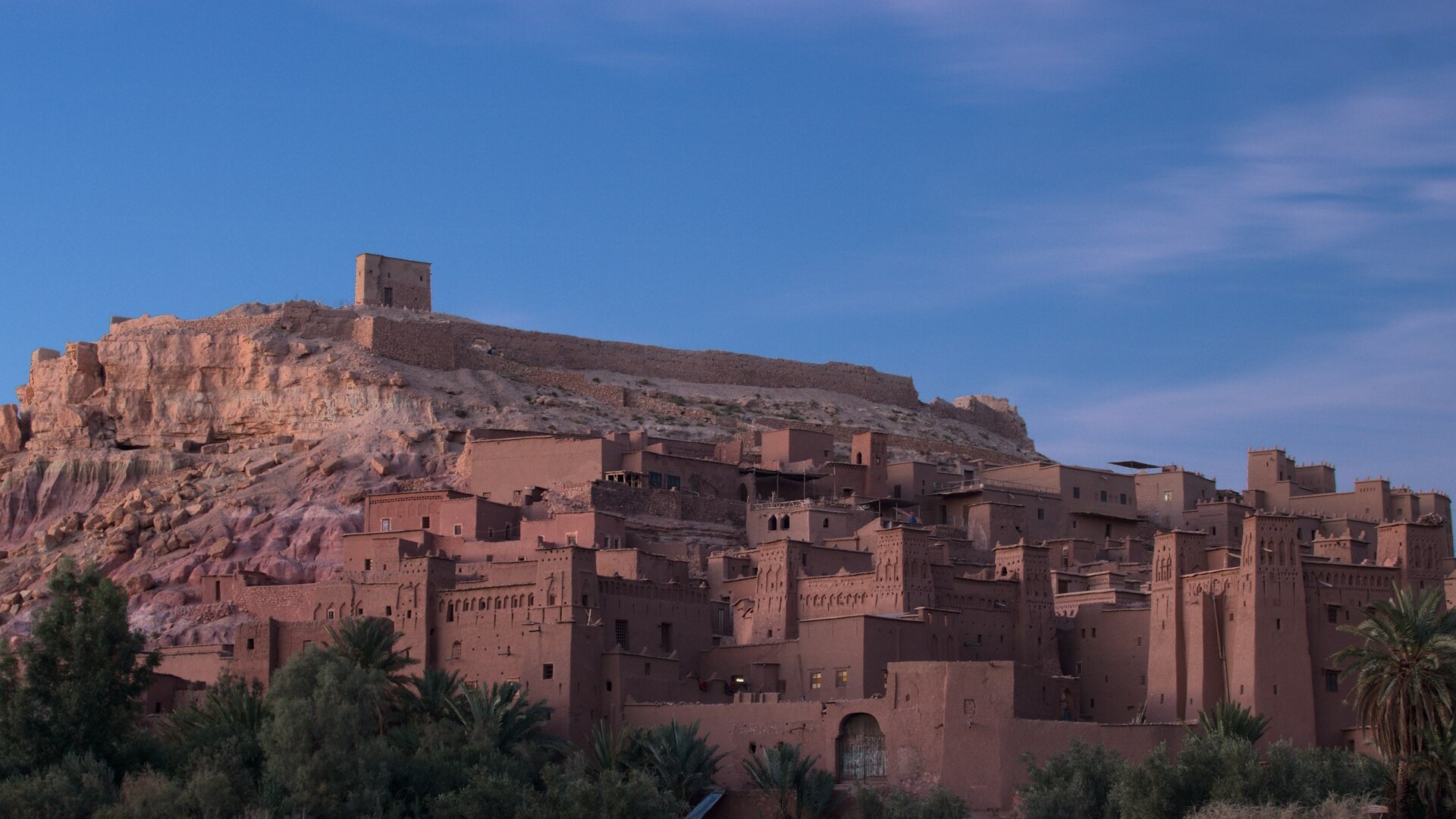
Morocco, positioned in the northwest corner of Africa, boasts a unique geographic location along the Atlantic Ocean and Mediterranean Sea. This placement at the intersection of European, African, and Arab cultures has cultivated a rich heritage and vibrant traditions that travelers can explore. The country is home to ancient medinas, bustling souks, grand palaces, and intricately designed mosques that showcase magnificent Islamic architecture.
Adding to Morocco’s appeal is its diverse natural landscape, which ranges from the vast dunes of the Sahara Desert to the rugged Atlas Mountains, complemented by lush coastal plains. The cultural fabric of Morocco is woven from centuries of Berber, Arab, and French influences, offering vibrant festivals, traditional music, and delicious cuisine that all add to the immersive travel experience. Whether you are trekking through natural wonders or savoring regional spices in the imperial cities, Morocco provides a journey rich in discovery and charm.
For more on traveling in Morocco, see our detailed guides on Moroccan cities and regions and cultural experiences in Morocco.
Source: Britannica – Morocco Geography and Culture
Must-See Destinations and Activities in Morocco
Morocco offers a captivating variety of attractions that showcase its cultural heritage alongside striking landscapes. Marrakech stands out with its lively Jemaa el-Fnaa square, where street performers, food stalls, and traditional souks selling spices and crafts create a sensory feast. Casablanca combines modern architecture with historical landmarks like the stunning Hassan II Mosque.
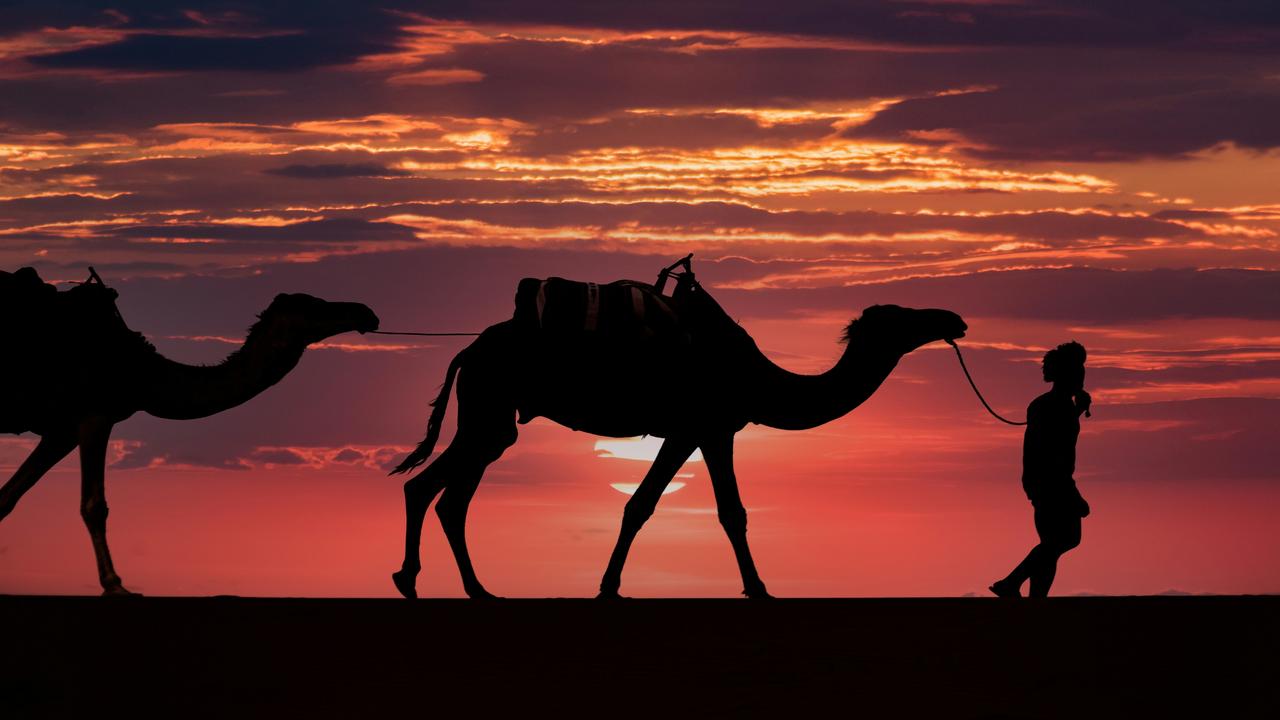
Adventure seekers will find the Sahara Desert irresistible, with camel trekking across rolling sand dunes and nights spent under star-lit skies in Berber-style tents. The Atlas Mountains provide scenic hiking trails through Berber villages, featuring Jebel Toubkal, North Africa’s highest peak, ideal for trekkers of all skill levels.
Another gem is Chefchaouen, the enchanting “Blue City,” known for vibrant blue-painted streets, quaint cafes, and artisan shops. Exploring ancient medinas offers a window into Moroccan history and lively local interactions, while sampling traditional cuisine such as tagines, couscous, and mint tea completes the cultural immersion.
Discover more about Moroccan travel and culture in our dedicated guides on Marrakech and Sahara Desert adventures.
Source: Lonely Planet, Source: National Geographic Travel
Practical Travel Tips for Morocco
Planning a trip to Morocco requires some practical preparation to ensure a smooth and enjoyable visit. Here are key points to consider:
- Visa Requirements: Most travelers from Europe, the US, Canada, and Australia do not need a visa for tourist stays up to 90 days. Always verify current requirements based on nationality and travel purpose. Visas can be obtained from Moroccan consulates if necessary.[Source: Visit Morocco]
- Best Seasons to Visit: Spring (March to May) and fall (September to November) offer mild, pleasant weather. Summers can be very hot, especially inland and in the desert, while winters are cooler but still suitable for touring.[Source: Time and Date]
- Local Customs: Dress modestly, particularly when visiting religious sites. Greetings commonly involve handshakes or light cheek kisses. Avoid public displays of affection and consuming alcohol publicly. Always ask permission before taking photos.[Source: TripSavvy]
- Language Tips: Arabic and Berber (Amazigh) are the official languages; French is widely spoken. Learning basic Arabic or French greetings is appreciated. English is common in tourist areas.[Source: Ethnologue]
- Transportation: The train network efficiently connects major cities like Casablanca, Rabat, Marrakech, and Fes. Buses operated by CTM and Supratours offer extensive routes. Petit taxis serve city transport, while grands taxis cover longer routes.[Source: Morocco Train] [Source: CTM Bus]
- Safety: Morocco is generally safe for tourists. Stay alert against pickpocketing in crowded spots, use registered taxis, avoid solitary night travel in unfamiliar areas, and drink bottled water.[Source: US Travel Advisory]
- Preparation: Pack clothing suitable for warm days and cool nights, bring copies of documents, and carry local currency (Dirhams). Embrace cultural experiences authentically for a fulfilling visit.[Source: Lonely Planet]
For more detailed advice, see our full guide on Morocco Travel Tips.
Accommodation and Moroccan Hospitality
Travelers to Morocco can choose from a broad spectrum of accommodations to fit every budget and preference. For an authentic and luxurious experience, riads are highly recommended. These traditional Moroccan houses or palaces, often located within medinas in cities such as Marrakech, Fes, and Essaouira, feature interior gardens, beautifully decorated rooms, rooftop terraces, and personalized service.
Budget travelers may prefer hostels and guesthouses, which provide affordable, clean lodging with social atmospheres ideal for meeting others. Mid-range hotels and resorts offer a balance of comfort, convenience, and value.
Moroccan hospitality is famous for its warmth, with guests often welcomed with traditional mint tea as a sign of respect and friendship. Engaging respectfully with locals by dressing modestly, greeting politely, and asking permission before photographing enhances the travel experience. Learning basic phrases in Arabic or Berber and respecting local customs will be appreciated.
By choosing accommodations thoughtfully and embracing the local culture, visitors can enjoy a memorable and enriching stay in Morocco.
Source: Visit Morocco – Riads and Accommodation
Source: Lonely Planet – Moroccan Hospitality and Travel Tips
Moroccan Culture and Festivals
Morocco’s cultural tapestry is vibrant and diverse, shaped by Arab, Berber, African, and Mediterranean influences. Visitors are often charmed by colorful festivals such as the Festival of Roses in El Kelaa M’Gouna, the Fantasia horse-riding extravaganza, and the Gnaoua World Music Festival. These events provide fascinating insights into Morocco’s heritage and traditions.
Respect for local customs remains important. Modest dress—covering shoulders and knees—is advised, especially in rural and religious areas. When photographing, always seek permission. Certain places prohibit photography to preserve sanctity and privacy.
Engaging respectfully, learning common greetings like “Salam Alaikum” (peace be upon you), and participating in social customs enriches your connection with Moroccan culture. Enjoying traditional cuisine and shopping for handicrafts in souks supports local artisans and deepens your experience.
Visitors who honor these cultural nuances tend to have more authentic and rewarding experiences during their travels in Morocco.
For a comprehensive overview of travel etiquette and cultural tips, see our full Morocco travel guide here.
Source: Rough Guides – Morocco Travel Etiquette
Source: Lonely Planet – Morocco Travel Tips
Source: TripSavvy – Morocco Travel Guide
Sources
- Britannica – Morocco Geography and Culture
- Ethnologue – Languages of Morocco
- Lonely Planet – Morocco Travel Tips
- Lonely Planet – Morocco Travel Guide
- Lonely Planet – Moroccan Hospitality and Travel Tips
- Morocco Train – Train Services
- National Geographic Travel – Morocco Cultural Guide
- CTM Bus – Bus Transportation
- Time and Date – Marrakech Climate
- TripSavvy – Morocco Travel Guide
- TripSavvy – Morocco Travel Tips
- US Travel Advisory – Morocco Safety
- Visit Morocco – Travel Information
- Visit Morocco – Riads and Accommodation
- Rough Guides – Morocco Travel Etiquette