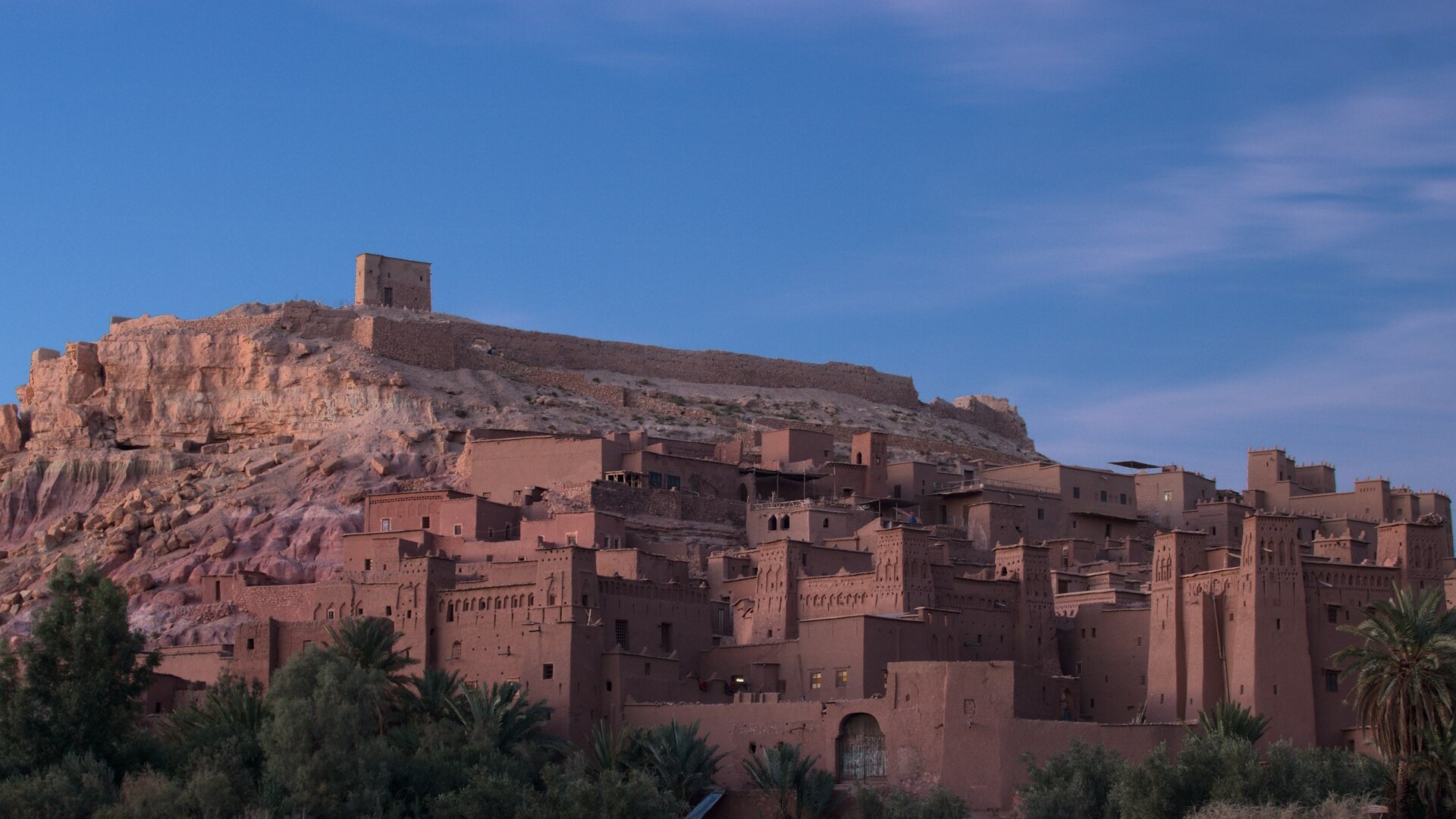
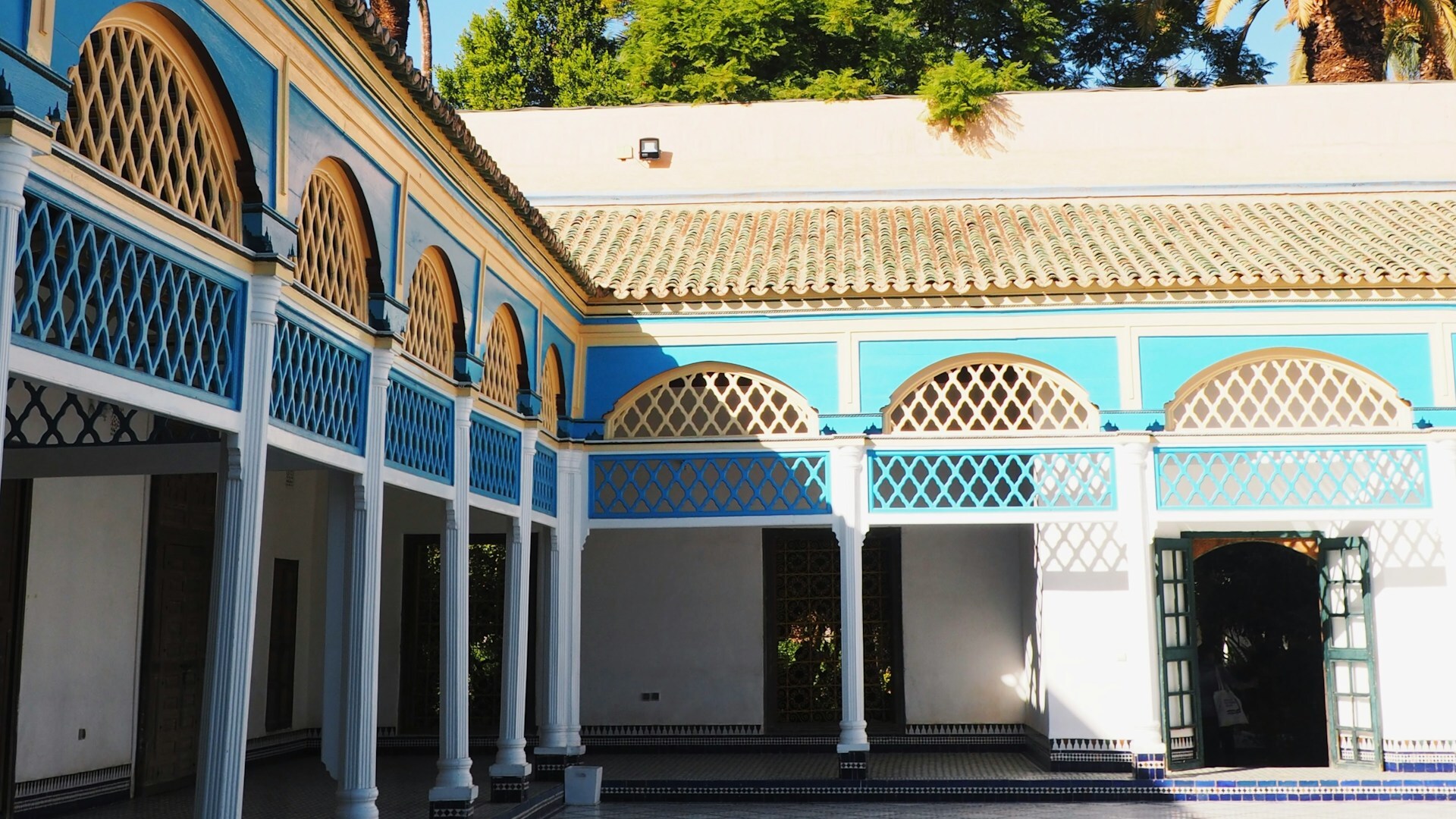
Riads are historic courtyard homes turned into guesthouses—quiet inside, steps from the lively medina outside. The right one can make your Marrakech stay feel cinematic; the wrong one can mean noisy nights and long walks with luggage. Here’s how to choose smart.
Step 1: Pick your micro-location
-
Near Jemaa el-Fna (Mouassine/Riad Zitoun): Super central for first-timers; expect some evening buzz.
-
Dar el Bacha / Bab Doukkala: Trendy cafés, easier taxi access, quieter lanes.
-
Kasbah (south medina): Close to palaces and the Saadian Tombs; more local vibe.
-
Mellah (Jewish quarter): Handy for Bahia/Badia palaces; improving dining scene.
-
Gueliz (new town): Not a riad area, but consider if you want modern hotels and parking.
Step 2: Room reality check
-
Size: “Standard” can be cozy—ask for square meters and layout.
-
Windows: Courtyard windows are common; exterior windows bring more light but can add street noise.
-
Beds & baths: Confirm bed type, mattress firmness, and bathroom ventilation.
-
Climate control: Marrakech summers and winter nights are real—verify AC + heating and service hours.
Step 3: Rooftops & common spaces
-
A rooftop is your sunset lounge and breakfast spot; look for shade sails and wind cover.
-
Courtyards with fountains or plunge pools are great daytime retreats.
-
If you plan to work, ask about a quiet corner and stable Wi-Fi.
Step 4: Arrival logistics (underrated!)
-
Medina alleys can’t be driven—ask for a meeting point, porter assistance, and the nearest taxi gate (e.g., Bab Laksour, Bab Doukkala).
-
Late arrivals? Ensure 24/7 reception or prearranged check-in.
Step 5: Noise, privacy, and service
-
Courtyards echo—request upper-floor rooms for quieter nights.
-
Ask about house rules (breakfast time, pool hours, events).
-
Boutique riads shine with personalized service—airport transfers, hammam bookings, insider food tips.
Step 6: Value without overpaying
-
Prices swing by season (spring/autumn ↑). Mid-week nights can be gentler.
-
Look for breakfast included, flexible cancellation, and multi-night promos.
-
Read reviews for patterns (e.g., “great staff, thin walls”); ignore one-off rants.
Extras worth asking for
-
Early breakfast for desert or day trips.
-
On-site dinner on night one (arriving late? You’ll thank yourself).
-
Hammam/massage partnerships and airport transfers with clear pricing.
Rule of thumb: Location + climate control + rooftop are the big three. Nail those, and you’ll likely love your stay.